Impacting Futures is a nonpartisan public charity that provides research, technical assistance, communications support, and convenings related to policy issues impacting young children and families. This blog post is the first in a series sharing insights from our team as we work to improve the lives of young children and families across the country through policy.
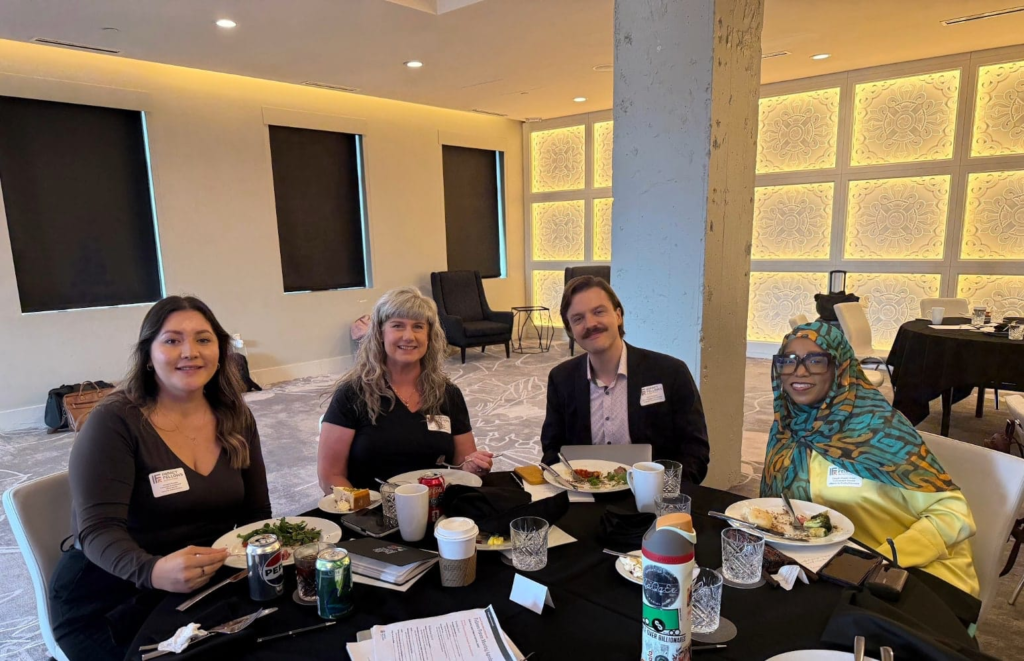
One of the most important things we do is bring people together. Earlier this summer, we gathered state-level advocates and leaders from 18 states in Minneapolis for our annual Fellows Forum. The gathering offered a rare opportunity for early childhood advocates to connect with peers, swap hard-fought victories, and brainstorm strategies to turn policy ideas into action.
This in-person convening is central to building the infrastructure and braintrust we need to win policy change so young children and families can flourish.
Learning From Each Other
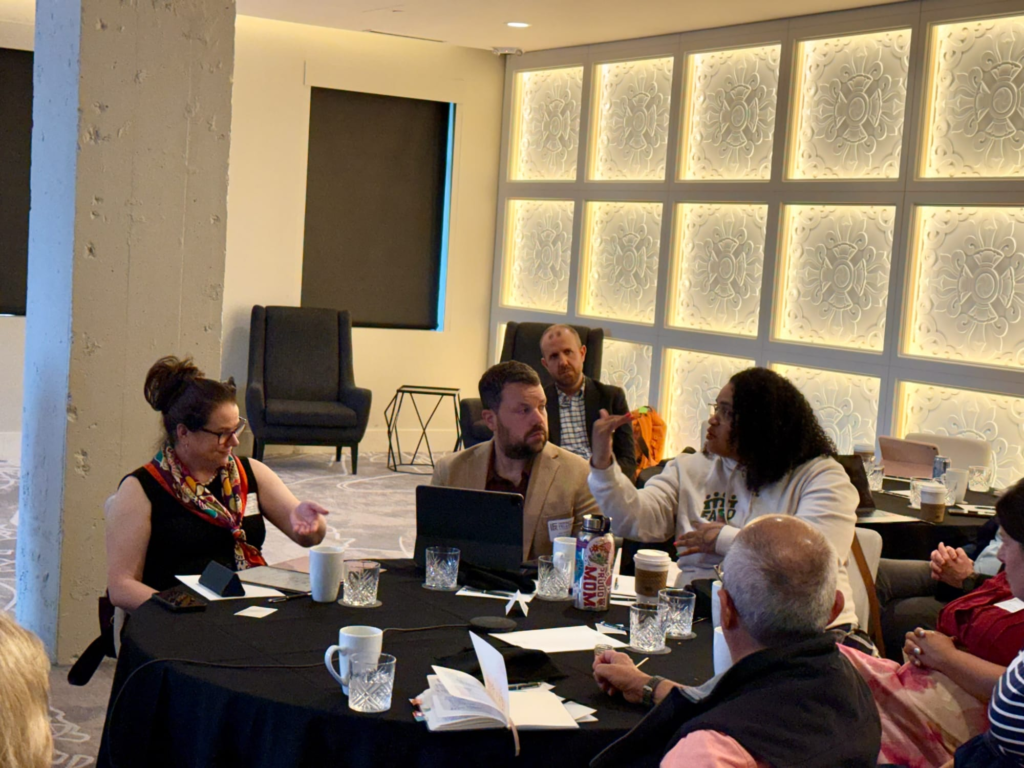
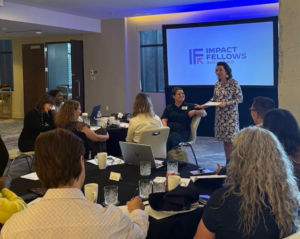
Shared learning was core to the Forum. Fellows discussed how they educate state lawmakers on a range of policies to help young children and families thrive.
Fellows dug into the nuts and bolts of child care policy, including the importance of tending to both supply and demand. A state may consider funding universal child care and expand subsidies, but if child care providers and early educators aren’t able to stay open, the vision falls short. Conversation also turned to how states can better fund child care and strengthen the sector.
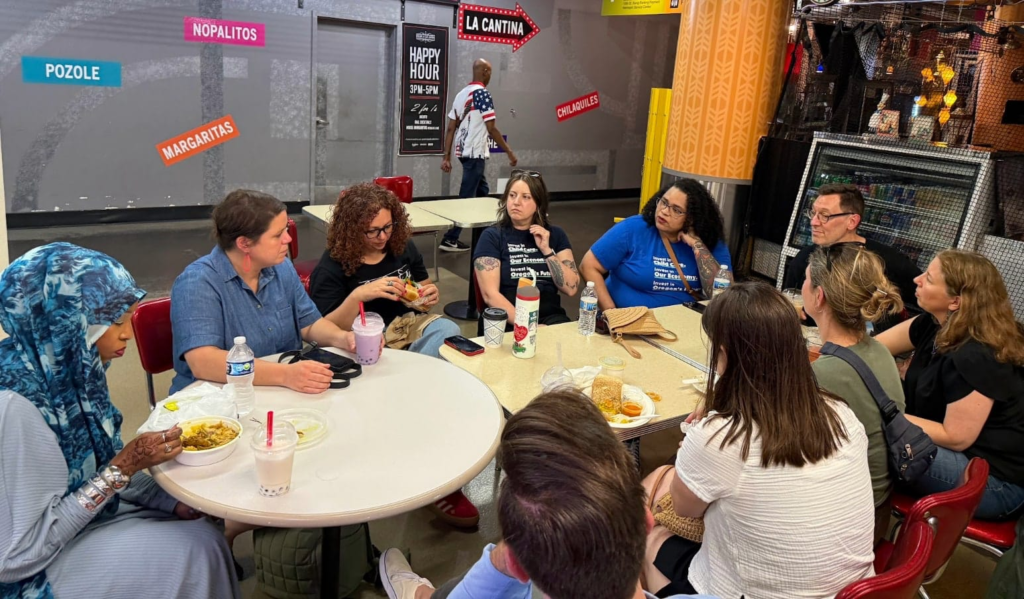
The formal discussion was just the starting point. Conversations continued over coffee breaks and meals, with Fellows digging deeper and swapping strategies long after the session ended.
When advocates coordinate, convene, and align, they’re able to maximize each other’s messages and move policy forward faster. That’s the relationship building Impacting Futures works to foster.
Messaging Child Care
The Forum also featured a session with Julie Kashen, Founder of Women’s Economic Futures, who guided Fellows through making the case for child care to a range of audiences.
Julie shared three messages that resonate with lawmakers in more conservative-leaning states:
- Infrastructure: “Child care is public infrastructure, like roads, bridges, and schools. It requires investment, not just family sacrifice.”
- Centering children: “Every child deserves a strong start. Brain development shapes thriving children and the future workforce. Everyone has a stake.”
- Workforce & the economy: “Without child care, parents can’t work, businesses can’t grow, and economies stall. It is not a social service — it is an economic strategy.”
Fellows shared which messages are resonating across their states, noting that brain development tends to land in a variety of environments. The conversation also surfaced messages that have hindered progress, including how deeply held views about women’s roles in caregiving can make it harder to advance paid leave and early childhood education in some states.
Julie’s session sparked as many questions as it answered. Fellows carried the conversation into lunch, sharing what’s working, and what isn’t, in their own states.
Strengthening the Movement
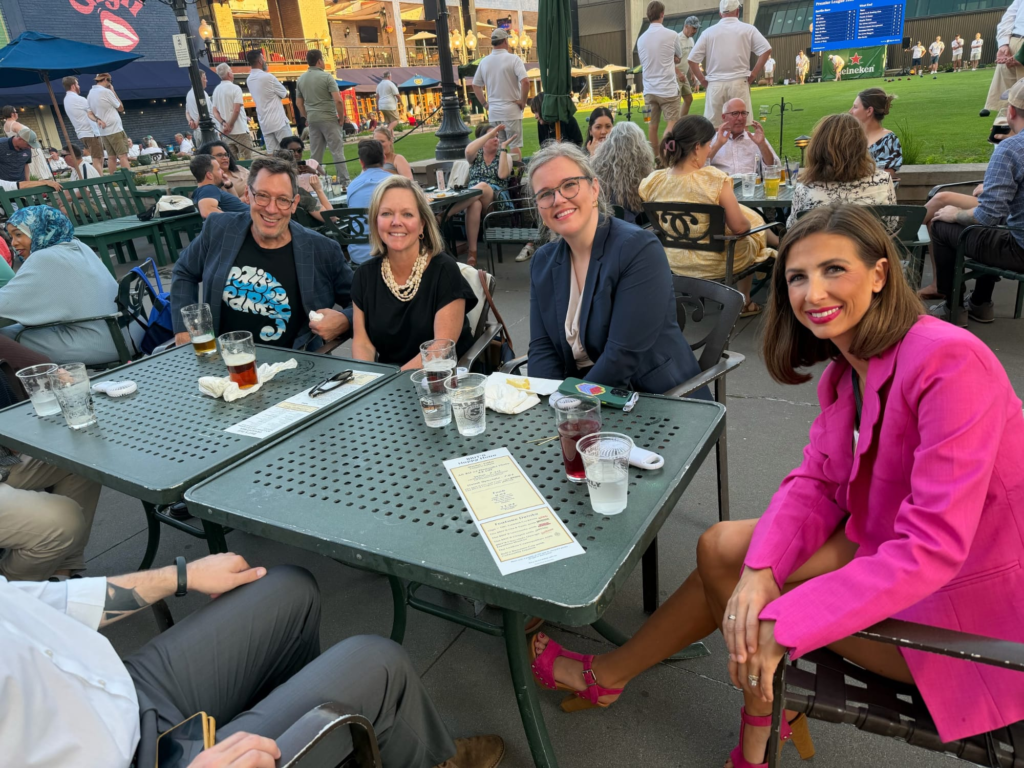
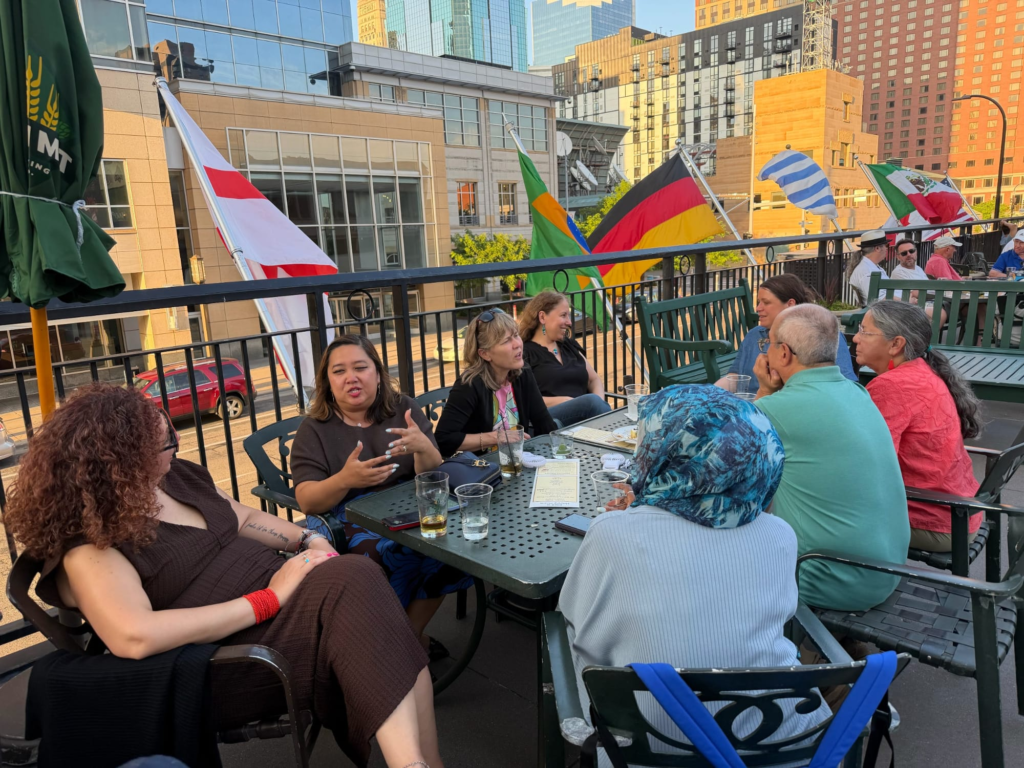
The Forum was designed with relationship building in mind. Beyond the sessions, Fellows connected over extended breaks, a networking reception, and a neighborhood tour through Minneapolis led by TakeAction Minnesota. Impacting Futures staff also matched Fellows working on similar issues, making sure Fellows facing similar challenges could share insights and strategies directly.
Gathering in Minneapolis set a particularly reflective tone. Minnesota State Senator Mary Kunesh welcomed Fellows to the state, speaking to how grassroots organizing and community activism have shaped state policy for young children and families in Minnesota. It was a reminder that the work of policy change is also the work of building community, and that the two support each other.
The work of building a stronger early childhood movement is also showing up in person, in community, and in places that have something to teach us. When advocates share what’s working across state lines, the whole movement benefits, and so do the young children and families these policies are meant to serve.

Donate to Invest in Children’s Futures
Your donation supports nonpartisan research and policy solutions for young children and families. Help us build a stronger foundation for the next generation. Give today.